
The Ultimate Guide To A Yoga mat
In this ultimate guide to a yoga mat we aim to answer all your what, why, when, where and how questions relating to yoga mats. Whether you are a beginner or a expert, looking for a new yoga mat or just have some questions this ultimate guide has it all.
To easily navigate the guide use the contents table below to reach the question you most want answered first.
What Is A Yoga Mat?
A yoga mat is a piece of material to provide extra cushioning and traction whilst practising yoga. It is a relatively modern invention in terms of the centuries old practise.
Yoga mats (also referred to as sticky mats) first came about in 1982 when a yoga teacher named Angela Farmer first pioneered rubber carpet underlay in order to practise yoga on. The trend caught on and has since developed to become a staple of most people’s yoga practise.
What Is A Yoga Mat Used For?
A yoga mat first and foremost is not essential to your yoga practise. You can still practise yoga without a yoga mat or indeed replace a yoga mat with something similar.
There are many benefits to a yoga mat however – yoga mats are essentially used for added comfort and grip.
As yogi’s practised yoga over the years some preferred to have padding (this can be for a variety of reasons) as this trend caught on in the 1980s yoga mats eventually became the norm in most yoga classes and practises around the world.
However, the yoga mat to put it most simply is used for padding whether that’ll be for comfort, grip or hygiene reasons.

What Is A Yoga Mat Made Of?
A yoga mat is primarily made from 1 of 3 different types of material: PVC, Rubber and Thermoplastic Elastomer (TPE).
- PVC – Polyvinyl Chloride (PVC) is a common, super strong, but super lightweight plastic. It is a man-made material which does not biodegrade and therefore does not have the best eco-friendly credentials.
However, as it is a relatively cheap material, which is durable and lightweight, it has become popular with yoga mat manufacturers, particularly at the lower priced end of the market.
- Rubber – A natural and biodegradable material rubber is fairly eco-friendly. Rubber has good grip and absorbs moisture which has made it ideal for yoga mats.
Rubber yoga mats are not the softest to practise on. They are also not the lightest to carry. Rubber yoga mats will generally be in the mid to high priced end of the yoga mat market.
- TPE – Thermoplastic Elastomer (TPE) is a relatively new type of material that is being used in yoga mats. TPE is light, soft, odourless and above all not slippery. In other words, the almost perfect material for a yoga mat.
There is one flaw TPE has. It is not very durable. TPE yoga mats generally speaking will wear down and need replacing more quickly than say a rubber or PVC yoga mat.
Why Do You Need A Yoga Mat?
Short answer is you don’t need a yoga mat. It really does come down to personal preference even when choosing a yoga mat.
Many choose to practise with a yoga mat as it provides a better overall yoga practise in terms of grip and comfort. However, for centuries people practised yoga without a yoga mat, so it is certainly not a necessity to practise on a yoga mat.
If you would like a yoga mat comparison, we have compiled a list of the top ten yoga mats on the market at the moment.

What Is The Best Yoga Mat For Beginners?
The Liforme mat is great for beginners. Described by many as truly non-slip it is perhaps the ultimate yoga mat … and deservedly one of our best rated yoga mats! It is made from eco-friendly biodegradable rubber.
It does, however, come with a heavy price tag. This is a yogi’s ideal Christmas or Birthday gift! They will love you for buying this mat for them. It’s not amongst the lightest, but after paying the heavy price tag you expect to have something under your arm!
The mat has a really useful set of lines on it which Liforme call the “AlignForMe” alignment system – and it’s really useful. Indeed we’re surprised not many other yoga mat manufacturers are producing similar mats.
The mat is made from eco-friendly and biodegradable material/rubber. It is available in grey, pink, blue and green. A generous length at 185cm, although thickness at 4mm is not the thickest on the market. It comes with an impressive bag – although you need to find somewhere to put it if you’re in a room/hall with other yogis.
Size is 68cm x 185cm with a thickness of 4mm. Weight is about 2.5kg. For more yoga mats why not check out our top ten list?


How Much Is A Yoga Mat?
It depends. Prices can range from as low as £25 to upwards of £500+ for a single yoga mat in the UK. The huge difference in price is down to two main factors: type of material and the eco friendliness of a yoga mat.
For example, PVC yoga mats are usually at the cheaper end of the market whereas rubber or TPE mats are usually at the higher end of the market.
Once you start reaching the £500 bracket your usually finding yoga mats made from silk.

What Is The Best Yoga Mat For Hot Yoga?
Hot Yoga is what it says it is, hot! In other words you will sweat much more in hot Yoga then other types of Yoga.
Due to the added sweat it is more important to have a grippy non-slip Yoga mat.
The Yogibare PAWS Professional Yoga Mat stands out in terms of grip. Yogibare claim the top material is ultra-grip and the best material to use.
Made with eco-friendly materials this is certainly a mat to consider if you’re looking for a Yoga mat specifically for hot Yoga sessions.
Whichever Yoga mat you pick for hot Yoga it is important to look for mats which are non-slip or have ultra grip.
For more yoga mats why not check out our top ten list?


How To Clean Your Yoga Mat?
Cleaning your Yoga mat on a weekly or monthly basis will ensure your mat stays clean and hygenic to use. Below are 3 easy steps to use when cleaning your Yoga mat.
Materials needed: Spray bottle, dry towel, water, tea tree oil, lavender oil
Step One – Prepare the spray bottle by adding 4 drops of tea tree oil, 8 drops of lavender oil and around 250ml – 500ml of water.
Step Two – Using the spray bottle, spray the length of your mat. Make sure the liquid reaches all the crevices of the mat. Bacteria can particularly breed within these crevices so it’s important to throughly clean here.
Step Three – Using a dry towel gentle rub your mat from top to bottom. If the mat is still slightly wet then leave it out to air for a hour or two.
Most Recent Blog Articles

How To Become A Yoga Instructor
Ever thought of becoming a yoga instructor? It's a great career and very rewarding. Find out how you can follow your dream ... Read on

What Is Power Yoga?
Power yoga is an adaptation of the classic yoga poses, which makes them more challenging. It concentrates on what it calls “vinyasa” ... Read on

Yoga For The Menopause
Menopause is an important stage of a woman’s life. It is marked by the cessation of menstruation, which can lead to many ... Read on

How Acupressure Points Work
Have you ever felt those weird, tingling sensations when someone presses on your hand or foot? Those are called acupressure points ... Read on
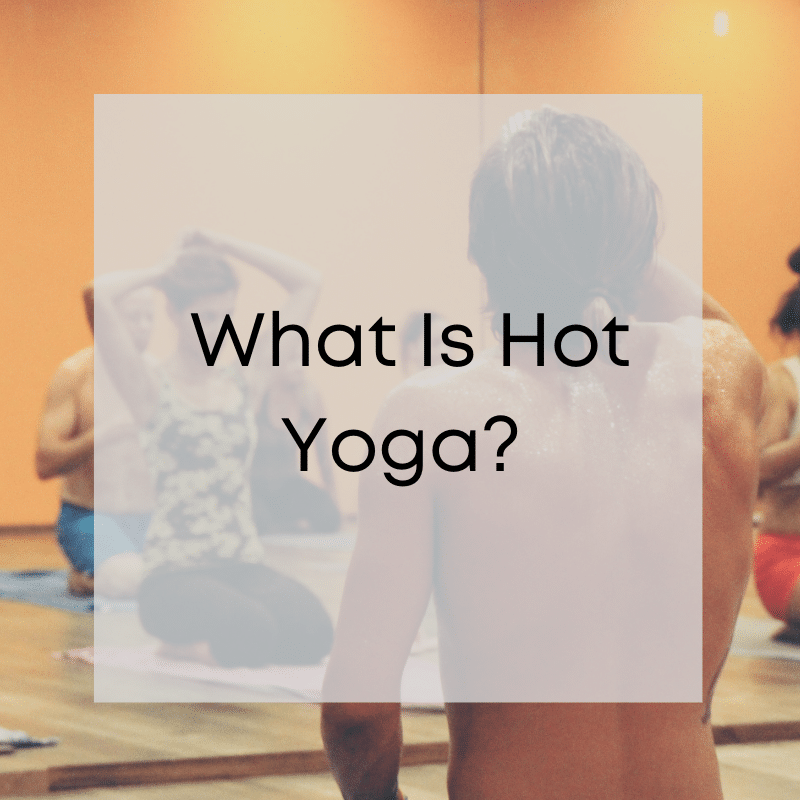
What Is Hot Yoga?
If you’ve come across the term hot yoga, you might be wondering what on earth that is and what it entails. Yoga is not usually a sport associated with sweating or exhaustion ... Read on

What Is Baby Yoga?
Baby yoga is a relatively new trend in the world of exercise and parenting. It’s also known as ‘yoga for babies’. But what does it entail? ... Read on

Yoga For Runners
Have you ever wondered about yoga for runners and whether it is something that could help to up your running game? Does the flexibility and balance offered by this kind of exercise ... Read on

Chakras and Their Meanings
Chakra is closely associated with yoga. In this article we take a closer look at the seven chakras and their meaning. Read on.

How To Clean A Yoga Mat
Yoga mats will often get put through their paces. Regular yoga means your mat is going to absorb sweat, dirt, oil and other grime. ... Read on